
Polyps
What are Polyps?
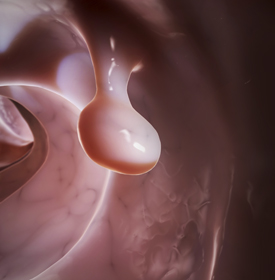
Polyps are abnormal growths of tissue that develop on the inner lining of organs such as the colon, stomach, or intestines. They usually project outward like small bumps or stalks. Most polyps are noncancerous (benign), but some may become cancerous over time depending on their type, size, and location.
What are the Common Types of Polyps?
The common types of polyps in the digestive or GI (gastrointestinal) tract include the following:
- Adenomatous polyps (Adenomas): Most commonly found in the colon and rectum. These are important because some can develop into colorectal cancer over time.
- Hyperplastic polyps: Usually occur in the colon, especially the rectum and sigmoid colon. They are generally small and non-cancerous.
- Inflammatory polyps: Commonly seen in the colon in people with inflammatory bowel diseases such as ulcerative colitis or Crohn’s disease.
- Hamartomatous polyps: Can occur in the stomach, small intestine, or colon and are often linked to inherited syndromes such as Peutz-Jeghers syndrome.
- Fundic gland polyps: Found in the stomach, particularly in the upper portion (fundus). They are often benign and may be associated with long-term acid-suppressing medications.
- Sessile serrated polyps: Usually located in the right side of the colon and may carry a risk of developing into cancer if untreated.
What are the Causes of Polyps?
GI polyps develop when cells in the lining of the digestive tract grow abnormally. Common causes and risk factors include aging, chronic inflammation, genetic or inherited conditions, and unhealthy lifestyle habits. Conditions such as Crohn's Disease and Ulcerative Colitis can increase the risk of developing polyps. Smoking, alcohol use, obesity, low-fiber diets, and lack of physical activity may also contribute to their formation.
What are the Signs and Symptoms of Polyps?
Many GI polyps do not cause symptoms and are often discovered during routine screening tests. When symptoms occur, they may include rectal bleeding, blood in the stool, abdominal pain, changes in bowel habits such as constipation or diarrhea, unexplained weight loss, fatigue due to anemia, or mucus in the stool. Larger polyps are more likely to produce noticeable symptoms.
How are Polyps Diagnosed?
Polyps are usually diagnosed through imaging or endoscopic procedures that allow doctors to examine the lining of the gastrointestinal tract. A colonoscopy is the most common test for detecting polyps in the colon and rectum, while an upper GI endoscopy may be used for polyps in the stomach or upper digestive tract. During these procedures, doctors can remove tissue samples or the entire polyp for biopsy to determine whether it is benign, precancerous, or cancerous. Imaging tests and stool tests may also help in some cases.
How are Polyps Treated?
Treatment for GI polyps mainly involves removing the polyps to prevent complications such as bleeding or cancer development. Many polyps can be removed during procedures like colonoscopy or endoscopy using special instruments. Larger or suspicious polyps may require advanced endoscopic techniques or surgery. After removal, the tissue is examined in a laboratory to check for cancerous changes. Regular follow-up screenings may also be recommended to monitor for new polyps, especially in people with multiple polyps or a family history of gastrointestinal cancers.
Patient Services and Care Coordination
Our team can assist with appointments and general inquiries.