
Pancreatic Disorders
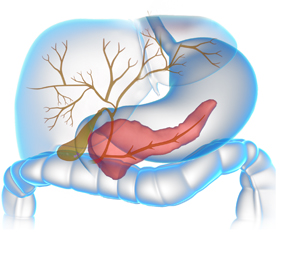
What are Pancreatic Disorders?
Pancreatic disorders are diseases that affect the pancreas, a gland behind the stomach that plays key roles in digestion (by producing enzymes) and blood sugar control (by producing hormones like insulin).
What are the Common Types of Pancreatic Disorders?
Common types of pancreatic disorders include acute pancreatitis (sudden inflammation), chronic pancreatitis (long-term pancreatic damage), pancreatic cancer, diabetes mellitus, exocrine pancreatic insufficiency (EPI), pancreatic cysts and pseudocysts, and pancreatic neuroendocrine tumors (PNETs). These conditions can affect digestion, hormone production, and overall pancreatic function.
What are the Common Causes of Pancreatic Disorders?
Pancreatic disorders can be caused by gallstones, heavy alcohol use, smoking, infections, high triglyceride levels, certain medications, and genetic conditions. Other causes include autoimmune diseases, pancreatic injury or trauma, and tumors such as pancreatic cancer. In some cases, the exact cause may not be clearly identified.
What are the Signs and Symptoms of Pancreatic Disorders?
Common signs and symptoms of pancreatic disorders include upper abdominal pain that may spread to the back, nausea, vomiting, bloating, loss of appetite, unexplained weight loss, fatty or oily stools, and fever. Some people may also develop jaundice (yellowing of the skin and eyes) or blood sugar problems, especially in chronic pancreatic conditions or pancreatic cancer.
How are Pancreatic Disorders Diagnosed?
Pancreatic disorders are diagnosed using a combination of medical history, physical examination, blood tests, and imaging studies. Blood tests may check pancreatic enzymes, blood sugar levels, and liver function. Imaging tests such as ultrasound, CT scan, MRI, or endoscopic ultrasound (EUS) help detect inflammation, cysts, stones, or tumors. In some cases, specialized procedures like ERCP or a biopsy may be needed for a more accurate diagnosis.
How are Pancreatic Disorders Treated?
Treatment for pancreatic disorders depends on the specific condition, its severity, and the underlying cause. Common treatment approaches include:
- Medications – Pain relievers, antibiotics, insulin, or pancreatic enzyme supplements may be prescribed to control symptoms and improve digestion.
- Diet and lifestyle changes – Avoiding alcohol and smoking, eating a low-fat, healthy diet, and maintaining a healthy weight can help protect the pancreas.
- Hospital care – Severe pancreatitis may require intravenous fluids, fasting, nutritional support, and close monitoring.
- Endoscopic procedures – Procedures such as ERCP may be used to remove gallstones, open blocked ducts, or drain cysts.
- Surgery – Tumors, damaged pancreatic tissue, or large cysts may need surgical removal.
- Cancer treatments – Pancreatic cancer may be treated with surgery, chemotherapy, radiation therapy, or targeted therapy.
Pancreatic disorders can range from inflammation and digestive issues to serious conditions like cancer and diabetes. Early diagnosis and proper treatment can help reduce complications and improve quality of life.
Patient Services and Care Coordination
Our team can assist with appointments and general inquiries.