
Malabsorption
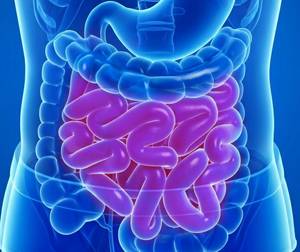
What is Malabsorption?
Malabsorption is a condition in which the body cannot properly absorb nutrients from the food you eat in the digestive system, especially in the small intestine.
When you eat, your body breaks food down into nutrients (like vitamins, minerals, fats, proteins, and carbohydrates). These nutrients are absorbed through the lining of the small intestine into the bloodstream.
In malabsorption, nutrients are not absorbed properly by the small intestine. Instead, they pass through the digestive tract and are lost in the stool, which can result in nutritional deficiencies.
What are the Causes of Malabsorption?
Common causes of malabsorption include diseases that damage the small intestine, such as Celiac Disease and Crohn's Disease. Other causes include pancreatic disorders that reduce digestive enzymes, intestinal infections, lactose intolerance, bacterial overgrowth, liver or gallbladder diseases, and surgeries that remove part of the intestine. These conditions interfere with the body’s ability to absorb nutrients properly.
What are the Signs and Symptoms of Malabsorption?
Common signs and symptoms of malabsorption include:
- Chronic diarrhea
- Weight loss despite normal eating
- Bloating and excessive gas
- Fatigue and weakness
- Pale, bulky, greasy, or foul-smelling stools
- Abdominal discomfort or cramps
- Loss of appetite
- Swelling in the legs due to low protein levels
- Vitamin and mineral deficiencies, which may cause anaemia, bone pain, easy bruising, or hair loss
Symptoms may vary depending on which nutrients are not being absorbed properly.
How is Malabsorption Diagnosed?
Malabsorption is diagnosed using a combination of medical history, physical examination, and laboratory tests. Doctors may perform blood tests to check for anaemia, vitamin deficiencies, or low protein levels. Stool tests can help detect excess fat or infections. Other investigations may include imaging studies, breath tests, endoscopy with biopsy of the small intestine, and tests to identify conditions such as Celiac Disease or Crohn's Disease that can cause malabsorption.
How is Malabsorption Treated?
Treatment for malabsorption depends on the underlying cause. It may include dietary changes, such as avoiding gluten or lactose, and taking vitamin and mineral supplements to correct nutritional deficiencies. Doctors may prescribe digestive enzymes, antibiotics for infections or bacterial overgrowth, and medications to reduce intestinal inflammation. Treating conditions like Celiac Disease or Crohn's Disease can help improve nutrient absorption and relieve symptoms.
Patient Services and Care Coordination
Our team can assist with appointments and general inquiries.