
Ablation for Barrett’s Esophagus
What is Ablation for Barrett’s Esophagus?
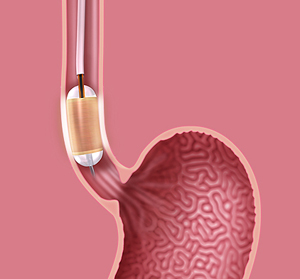
Ablation for Barrett’s esophagus is a minimally invasive treatment used to destroy abnormal cells in the lining of the esophagus caused by long-term acid reflux. Barrett’s esophagus occurs when the normal lining of the esophagus changes and may increase the risk of developing esophageal cancer.
The goal of ablation is to remove or destroy the abnormal tissue so healthy lining can regrow. It is usually performed during an upper endoscopy using special devices that apply heat, cold, or other energy sources to the affected area.
When is Ablation for Barrett’s Esophagus Indicated?
Ablation for Barrett’s esophagus is usually indicated when the abnormal esophageal lining shows dysplasia (precancerous cells). It may be recommended for low-grade or high-grade dysplasia to reduce the risk of developing esophageal cancer. In some cases, ablation is also considered for patients with long-segment Barrett’s esophagus or persistent damage caused by chronic acid reflux despite medical treatment.
What Does Preparation for Ablation for Barrett’s Esophagus Involve?
Patients are generally asked to avoid eating or drinking for several hours before the procedure. The doctor may review current medications and advise stopping blood thinners temporarily if needed. Pre-procedure tests, such as an endoscopy or biopsy, may also be performed to evaluate the abnormal tissue and plan treatment. Arranging transportation home after the procedure is also commonly recommended.
What Happens During Ablation for Barrett’s Esophagus?
During ablation for Barrett’s esophagus, the patient is given sedation to remain comfortable. A doctor inserts an endoscope, a thin flexible tube with a camera, through the mouth into the esophagus to examine the abnormal tissue. Special instruments attached to the endoscope then deliver controlled heat, cold, or radiofrequency energy to destroy the damaged lining. The procedure typically takes less than an hour, and healthy tissue gradually replaces the treated area during healing.
What Happens After Ablation for Barrett’s Esophagus?
After ablation for Barrett’s Esophagus, patients are monitored briefly before going home the same day. Mild chest discomfort, sore throat, or difficulty swallowing may occur for a few days. Doctors usually prescribe acid-reducing medications and recommend a soft diet during recovery. Follow-up endoscopies are scheduled to check healing and ensure that abnormal Barrett’s tissue has been successfully removed.
What are the Risks and Benefits of Ablation for Barrett’s Esophagus?
Benefits
- Removes abnormal or precancerous tissue
- Lowers the risk of esophageal cancer
- Minimally invasive procedure with faster recovery
- Helps healthy esophageal lining regrow
Risks
- Mild chest pain or sore throat
- Bleeding or infection
- Difficulty swallowing due to scarring or narrowing
- Rare risk of esophageal perforation or recurrence of Barrett’s tissue
Patient Services and Care Coordination
Our team can assist with appointments and general inquiries.