
Gastrointestinal Bleeding
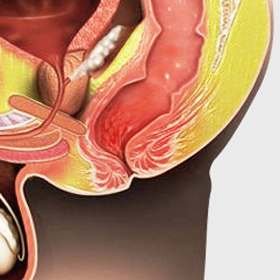
Lower Gastrointestinal Bleeding
What is Lower Gastrointestinal Bleeding?
Lower gastrointestinal bleeding (LGIB) refers to hemorrhage or bleeding that occurs in the lower part of the gastrointestinal tract - the lower small intestine, large intestine, rectum, or anus - as the result of an injury, inflammation, or condition. The occurrence of lower gastrointestinal bleeding is about half of that for upper GI bleeding. Older patients and men are more likely to be affected from severe LGIB.
Patients with LGIB clinically present with either acute or chronic bleeding. Acute bleeding can be severe and sudden, while chronic bleeding may last over a period of several days or longer and may cause less obvious symptoms.
Causes of Lower Gastrointestinal Bleeding
Some common causes of lower gastrointestinal bleeding include:
- Anal fissure: Tear in the muscular ring that forms the anal sphincter
- Hemorrhoids (Piles): Enlargement of veins in the rectum or anus that rupture causing rectal bleeding
- Proctitis: Inflammation of the rectal lining that can result in bleeding
- Inflammatory bowel disease (IBD): Includes Crohn’s disease - inflammation of the digestive tract lining, and ulcerative colitis - inflammation and sores in the rectum and colon resulting in bleeding
- Diverticular disease: This includes diverticulosis in which a large number of small pouches, known as diverticula, develop in the lining of the large intestine, and diverticulitis - inflammation and infection of the diverticula
- Colonic polyps: Polyps are abnormal growths at the inner lining of any region of the colon or rectum.
Signs and Symptoms of Lower Gastrointestinal Bleeding
Signs and symptoms of lower gastrointestinal bleeding may include:
- Bright red blood/clots in the stools
- Black tarry stools
- Abdominal pain or cramps
- Anemia
- Shortness of breath
- Abnormal paleness
- Weakness or exhaustion
- Dizziness and faintness
- Fluctuation in vital signs
Risk Factors for Lower Gastrointestinal Bleeding
Some of the risk factors for developing lower gastrointestinal bleeding may include:
- Chronic constipation
- Family history of bleeding disorders
- Advanced age
- Overuse of NSAIDs (nonsteroidal anti-inflammatory drugs)
- Activities that may cause rectal tears such as anal sex
- Chronic liver disease or history of alcohol abuse
- Previous GI surgery
- Previous pelvic/abdominal radiation
Diagnosis of Lower Gastrointestinal Bleeding
Some of the techniques employed for the diagnosis of lower gastrointestinal bleeding include:
- A review of your medical history, symptoms, and physical examination
- A stool sample test to check for the presence of blood in the stools
- A complete blood count (CBC) test to check for signs of anemia
- Colonoscopy - an endoscopic procedure used to view the large intestine (colon and rectum) using an instrument called a colonoscope (a flexible tube with a small camera and lens attached at one end). The procedure can detect inflamed tissue, ulcers, and abnormal growths.
- Imaging tests such as barium x-rays and CT angiograms to diagnose GI tract abnormalities such as ulcers and polyps, as well as for examination and identification of the source of the bleeding.
- A digital rectal examination (DRE) in which your doctor inserts a gloved finger into your rectum to look for signs of hemorrhoids. Your doctor may also use an anoscope, sigmoidoscope, or a proctoscope to check for internal piles.
Treatment for Lower Gastrointestinal Bleeding
Several factors, such as the location and cause of the bleeding, and severity of the condition will determine the method of treatment for a lower gastrointestinal bleed. The treatment also involves identifying any underlying condition and treating it appropriately. In general, the treatment options may include:
- Healthy lifestyle habits such as increasing fiber intake in the diet, drinking more water, and taking stool softeners can help in preventing the formation of hemorrhoids and anal fissures.
- Refraining from using certain medications such as non-steroidal anti-inflammatory drugs that may cause stomach ulcers or bleeding
- Targeted heat treatment through a probe or laser to treat the bleeding site and surrounding tissue
- Use of clips to seal the damaged blood vessel causing bleeding
- Use of colonoscopy, CT scan, or angiogram to identify the source of bleeding in conditions such as diverticular bleeding
- Use of medication such as immunosuppressants, antibiotics, and NSAIDs to treat conditions such as colitis and inflammatory bowel disease.
- Surgical intervention as a final option, if your physician feels no other treatment methods can stop the bleeding. Surgery may include a polypectomy to surgically remove the protruding polyps in the lining of the intestine and rectum, haemorrhoidectomy to surgically remove swollen or inflamed veins around the rectum or anus, and colectomy or colon resection, which involves surgical removal of the damaged section of the intestine causing the bleeding.
Upper Gastrointestinal Bleeding
What is Upper Gastrointestinal Bleeding?
Upper gastrointestinal bleeding (UGIB) refers to hemorrhage or bleeding that occurs in the upper part of the gastrointestinal tract (the esophagus, the stomach, or the upper segment of the small intestine) as a result of inflammation or injury. It is basically a symptom of an underlying disease condition and is a medical emergency requiring immediate medical attention as it carries a significant morbidity and mortality rate of 6 to 13 percent. Upper gastrointestinal bleeding is about four times more common than lower gastrointestinal bleeding (LGIB).
Causes of Upper Gastrointestinal Bleeding
Some causes of upper gastrointestinal bleeding include:
- Peptic ulcer disease: Open sores develop in the upper part of the small intestine or in the lining of your stomach as a result of a bacterial infection.
- Mallory-Weiss tears: This is a condition characterized by ruptures in the lining or mucous membranes of your lower esophagus.
- Oesophageal varices: A condition characterized by swollen or enlarged veins in the lining of the esophagus.
- Oesophagitis: Inflammation of the esophagus usually occurring as a result of gastroesophageal reflux disease or GORD.
- Enteritis: Inflammation of the small intestine occurs often as a result of bacterial or viral infection.
- Gastritis: Inflammation of the stomach lining occurs due to infection, inflammatory bowel disease (IBD), injury, or certain medication use.
Risk Factors for Upper Gastrointestinal Bleeding
Some of the risk factors for developing upper gastrointestinal bleeding may include:
- Previous abdominal surgery
- Previous history of UGIB
- Chronic liver or renal disease
- Medications such as NSAIDs, SSRIs, and corticosteroids
Signs and Symptoms of Upper Gastrointestinal Bleeding
Signs and symptoms of upper gastrointestinal bleeding can be either overt (obvious) or occult (hidden), and depend upon the rate of the bleed and the location of the bleed, which can be anywhere from the beginning of the GI tract (mouth) to the end (anus).
Signs and symptoms may include:
- Black or tarry stools
- Vomiting blood that resembles coffee grounds or is bright red
- Stomach cramps
- Weakness
- Pale skin
- Feeling dizzy, faint, or tired
- Shortness of breath
Diagnosis of Upper Gastrointestinal Bleeding
Some of the techniques employed for the diagnosis of upper gastrointestinal bleeding include:
- A review of your medical history, symptoms, and physical examination
- A stool sample test to check for the presence of blood in the stools
- A complete blood count test to check for signs of anemia
- An endoscopic examination of the upper GI tract in which an endoscope - a thin tubular instrument with a camera, light, and a magnifying lens attached at the end - is passed through the upper GI tract. The camera displays images of the inside of your GI tract to help visualize the source of the bleeding.
- A procedure called gastric lavage in which the contents of the stomach are removed to determine the source of the bleed
- Imaging tests such as barium x-rays and CT scans
- A tissue biopsy in which a sample of the affected area is removed and sent for laboratory analysis
Treatment of Upper Gastrointestinal Bleeding
Several factors, such as the location and cause of the bleeding, and severity of the condition will determine the method of treatment for an upper gastrointestinal bleed. The treatment also involves identify any underlying condition and treating it appropriately. In general, the treatment options may include:
- Use of antibiotics to treat any underlying bacterial condition causing the bleeding, or use of proton pump inhibitors to inhibit acid production in the stomach and enable healing of the stomach ulcers
- Refraining from using certain medications such as non-steroidal anti-inflammatory drugs (NSAIDs) that may cause stomach ulcers or bleeding
- Injecting a drug directly into the location of the bleeding in the upper GI tract
- Targeted heat treatment through a probe or laser at the bleeding site
- Use of clips to seal the damaged blood vessel causing the bleeding
- Surgical intervention as a final option if your physician feels no other treatment methods can stop the bleeding
Prevention of Upper Gastrointestinal Bleeding
Healthy lifestyle habits can help prevent the chances of developing underlying conditions that cause upper GI bleeding. Some preventive measures include:
- Refraining from spicy or acidic foods
- Refraining from caffeine
- Refraining from high-fat foods
- Stopping or limiting the use of NSAIDs
- Stopping or limiting the use of alcohol
- Abstaining from smoking
Patient Services and Care Coordination
Our team can assist with appointments and general inquiries.