
Gastric Band Removal
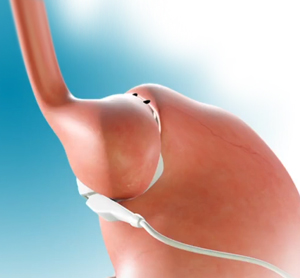
What is Gastric Band Removal?
Gastric band removal is a surgical procedure in which an adjustable gastric band (Lap-Band, previously placed around the upper part of the stomach for weight loss treatment) is removed. The gastric band is commonly used in bariatric (weight-loss) surgery to help limit food intake and promote weight reduction.
Why is Gastric Band Removal Recommended?
Gastric band removal is recommended when the band causes complications, discomfort, or is no longer effective for weight loss. Common situations in which removal may be advised include:
- Band slippage or movement from its original position
- Erosion of the band into the stomach wall
- Persistent nausea, vomiting, or difficulty swallowing
- Severe acid reflux or heartburn
- Infection around the band or port site
- Poor weight loss or significant weight regain
- Band intolerance causing pain or eating difficulties
- Damage or malfunction of the band system
- Nutritional problems due to restricted eating
In some cases, removal may also be done if the patient wishes to switch to another bariatric surgery procedure.
What Does Preparation for Gastric Band Removal Involve?
Before gastric band removal, patients usually undergo blood tests, scans, or an endoscopy to evaluate the band and stomach. Doctors may advise stopping certain medications, following a special pre-operative diet, avoiding smoking and alcohol, and fasting before surgery. Patients should arrange transportation and home support afterward. Surgeons also discuss recovery expectations, dietary changes, and whether additional bariatric surgery is planned.
What Does the Procedure for Gastric Band Removal Involve?
The procedure for gastric band removal usually involves laparoscopic (keyhole) surgery performed under general anaesthesia. During the operation, the surgeon makes a few small incisions in the abdomen and uses specialised instruments and a camera to safely remove the gastric band, connecting tube, and access port.
Scar tissue that has formed around the band may also be carefully released to restore the normal shape and function of the stomach. If there are complications such as band erosion or infection, additional repair of the stomach tissue may be required.
In some patients, the surgeon may perform another weight-loss surgery, such as a sleeve gastrectomy or gastric bypass, during the same operation or at a later stage.
What Happens After Gastric Band Removal?
After gastric band removal, patients are monitored for pain, infection, bleeding, or leakage. Eating is gradually restarted with liquids followed by soft foods and a normal diet. Many people notice improvement in reflux, nausea, and swallowing problems. Regular follow-up visits, nutritional guidance, and healthy lifestyle changes are important. Most return to normal activities within 1–2 weeks.
What are the Risks and Benefits of Gastric Band Removal?
Benefits of Gastric Band Removal
- Relief from symptoms such as vomiting, reflux, pain, or difficulty swallowing
- Treatment of complications like band slippage, erosion, or infection
- Improved comfort and quality of life
- Ability to convert to another bariatric procedure for better long-term weight loss
- Improved eating tolerance and nutrition in some patients
Risks of Gastric Band Removal
- Bleeding or infection
- Injury to the stomach or nearby organs
- Leakage from the stomach
- Scar tissue complications
- Anaesthesia-related risks
- Weight regain after band removal
- Need for additional surgery in some cases
Most patients recover well, especially when the procedure is performed by an experienced bariatric surgeon and followed by proper dietary and lifestyle care.
Patient Services and Care Coordination
Our team can assist with appointments and general inquiries.