
Fecal Incontinence Treatment
What is Faecal Incontinence Treatment?
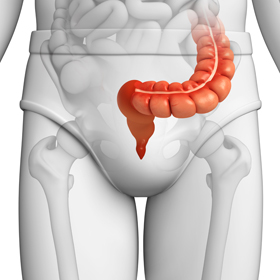
Faecal incontinence (also called bowel incontinence) treatment refers to the medical care and management used to help control or prevent the accidental leakage of stool. The goal of treatment is to improve bowel control, reduce accidents, and enhance quality of life. Depending on the cause and severity, treatment may include dietary changes, medications, pelvic floor exercises, biofeedback therapy, bowel training, and in some cases, surgical procedures.
Who Needs Faecal Incontinence Treatment?
Faecal incontinence treatment is needed for individuals who experience accidental leakage of stool or difficulty controlling bowel movements. It may be recommended for:
- People with chronic diarrhoea or constipation
- Individuals with weakened pelvic floor or anal muscles
- Patients with nerve damage from conditions such as diabetes, stroke, or spinal injuries
- Women after difficult childbirth injuries
- Older adults with reduced bowel control
- People with digestive disorders like Crohn's disease or Ulcerative colitis
- Anyone whose symptoms interfere with daily activities, hygiene, comfort, or quality of life.
What Causes Faecal Incontinence?
Faecal incontinence occurs when the muscles, nerves, or tissues that help control bowel movements are weakened or damaged. Common causes include chronic constipation, diarrhoea, nerve damage, muscle injury from childbirth or surgery, ageing, pelvic floor weakness, and digestive disorders such as Crohn's disease or ulcerative colitis. These conditions can reduce the ability to hold stool properly, leading to accidental leakage.
How is Faecal Incontinence Diagnosed?
Diagnosis of faecal incontinence usually begins with a medical history review and physical examination. Doctors may ask about bowel habits, diet, medications, and symptoms. Additional tests can include stool studies, anal manometry to measure muscle strength, ultrasound or MRI to check muscle damage, and colonoscopy to identify underlying bowel conditions. These tests help determine the cause and guide the most appropriate treatment.
What Does Faecal Incontinence Treatment Involve?
Treatment modalities for faecal incontinence vary depending on the cause, age of the patient, and severity of symptoms. Common treatment approaches include:
- Dietary modifications: Increasing fibre intake and fluids to improve stool consistency and bowel regularity.
- Medications: Laxatives, stool softeners, anti-diarrheal medicines, or bowel-cleansing agents may be used depending on the condition.
- Bowel training programs: Scheduled toilet sitting and establishing regular bowel habits help improve control.
- Behavioural therapy: Positive reinforcement and counselling may help children manage toileting habits and anxiety.
- Biofeedback therapy: Helps strengthen and coordinate pelvic floor and anal sphincter muscles using guided exercises and monitoring devices.
- Pelvic floor exercises: Exercises to improve muscle strength and bowel control.
- Treatment of underlying conditions: Managing constipation, nerve disorders, gastrointestinal diseases, or structural abnormalities contributing to incontinence.
- Enema or bowel management programs: Used in some patients to empty the bowel regularly and prevent accidents.
- Surgical treatment: In severe or structural cases, surgery may be needed to repair muscles or correct anatomical problems.
Patient Services and Care Coordination
Our team can assist with appointments and general inquiries.