
EUS-guided Cystogastrostomy
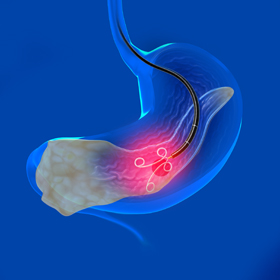
What is EUS-Guided Cystogastrostomy?
EUS-guided cystogastrostomy is a minimally invasive endoscopic procedure used to drain fluid collections or pancreatic pseudocysts that develop near the stomach, usually after pancreatitis or pancreatic injury. Using endoscopic ultrasound (EUS), the doctor creates a connection between the cyst and the stomach so the fluid can drain internally. This procedure helps relieve pain, infection, nausea, vomiting, and pressure symptoms without the need for open surgery.
When is EUS-Guided Cystogastrostomy Indicated?
EUS-guided cystogastrostomy is indicated when a pancreatic pseudocyst or walled-off pancreatic fluid collection causes symptoms or complications. It is commonly recommended for persistent abdominal pain, infection, fever, nausea, vomiting, difficulty eating, or blockage of nearby organs. The procedure may also be performed when the cyst is large, growing, or not resolving on its own after pancreatitis, pancreatic trauma, or surgery.
How Should I Prepare for EUS-Guided Cystogastrostomy?
Preparation for EUS-guided Cystogastrostomy usually involves fasting for several hours before the procedure. Your doctor may advise stopping certain medications, especially blood thinners or diabetes medicines, temporarily. Blood tests and imaging scans may be performed beforehand to evaluate the cyst. Inform your healthcare team about allergies, medical conditions, or previous surgeries. Because sedation or anesthesia is used, you should arrange for someone to drive you home after the procedure.
What Happens During EUS-Guided Cystogastrostomy?
During an EUS-guided cystogastrostomy, the patient is usually given sedation or general anesthesia to ensure comfort. A thin flexible tube called an endoscope, equipped with an ultrasound probe, is passed through the mouth into the stomach or small intestine.
Using endoscopic ultrasound, the doctor identifies the pancreatic cyst or fluid collection and selects a safe area for drainage. A small opening is created through the stomach wall into the cyst, and the fluid is accessed with a needle. The tract is then widened, and one or more stents are placed to connect the cyst to the stomach so the fluid can drain internally.
If thick infected material or dead tissue is present, additional endoscopic cleaning procedures may sometimes be required. The entire procedure typically takes about 30–90 minutes, depending on complexity.
What Happens After EUS-Guided Cystogastrostomy?
After EUS-guided cystogastrostomy, patients are monitored for a few hours or may stay in the hospital briefly, depending on their condition. Mild throat discomfort, bloating, or abdominal soreness may occur temporarily. Most patients begin drinking fluids within hours and gradually resume normal eating. Imaging tests may be performed to confirm drainage. The stent remains in place temporarily and is removed later during a follow-up endoscopy once the fluid collection resolves completely.
What are the Risks and Benefits of EUS-Guided Cystogastrostomy?
EUS-guided cystogastrostomy offers benefits such as minimally invasive internal drainage, faster recovery, less pain, and avoidance of open surgery. It can effectively relieve symptoms caused by pancreatic fluid collections. Possible risks include bleeding, infection, perforation, stent blockage or migration, pancreatitis, and recurrence of the fluid collection, although serious complications are uncommon when performed by experienced specialists.
Patient Services and Care Coordination
Our team can assist with appointments and general inquiries.