
EUS-guided Celiac Plexus Neurolysis
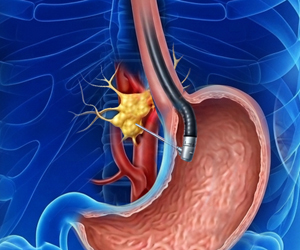
What is EUS-Guided Celiac Plexus Neurolysis?
EUS-guided celiac plexus neurolysis (CPN) is a minimally invasive procedure used to relieve severe abdominal pain, especially pain caused by advanced pancreatic cancer or other upper abdominal cancers. It uses endoscopic ultrasound (EUS) to guide a needle near the celiac plexus - a network of nerves located near the aorta that transmits pain signals from abdominal organs – and inject alcohol or other neurolytic agent into the nerve plexus to destroy the pain-transmitting nerves and reduce pain.
When is EUS-Guided Celiac Plexus Neurolysis Indicated?
EUS-guided CPN is usually recommended for patients with severe chronic upper abdominal pain that does not respond well to pain medications. It is most commonly used in advanced pancreatic cancer and sometimes in other abdominal cancers involving the stomach, liver, gallbladder, or retroperitoneum. The procedure may help reduce opioid requirements and improve quality of life.
How Should I Prepare for EUS-Guided Celiac Plexus Neurolysis?
Preparation for EUS-guided CPN usually includes fasting for several hours before the procedure. Your doctor may review your medications and advise stopping blood thinners temporarily. Arrange for someone to drive you home because sedation is commonly used. Inform your healthcare provider about allergies, medical conditions, or previous reactions to anesthesia or medications before the procedure takes place.
What Happens During EUS-Guided Celiac Plexus Neurolysis?
EUS-guided CPN is performed under sedation to keep the patient comfortable. A thin flexible tube called an endoscope, fitted with an ultrasound probe, is passed through the mouth into the stomach. Using ultrasound guidance, the doctor locates the celiac plexus, a group of nerves near the aorta. A fine needle is then inserted through the endoscope, and a local anesthetic, followed by alcohol or another neurolytic agent is injected into the nerves to block pain signals. The procedure usually takes about 30–60 minutes and is typically done as an outpatient procedure.
What Happens After EUS-Guided Celiac Plexus Neurolysis?
After EUS-guided CPN, patients are monitored for a short time as the sedation wears off. Mild soreness, temporary diarrhea, or low blood pressure may occur but usually resolves quickly. Many patients experience reduced abdominal pain within days, which may decrease the need for strong pain medications. Most people can return home the same day with instructions for rest, hydration, and follow-up care.
What are the Risks and Benefits of EUS-Guided Celiac Plexus Neurolysis?
The main benefit of EUS-guided CPN is improved pain control and reduced dependence on opioid medications. It is minimally invasive and usually has a short recovery time. Possible risks include bleeding, infection, diarrhea, temporary low blood pressure, nerve injury, or rare complications involving nearby organs or blood vessels.
Patient Services and Care Coordination
Our team can assist with appointments and general inquiries.