
ERCP with Spyglass +/- EHL
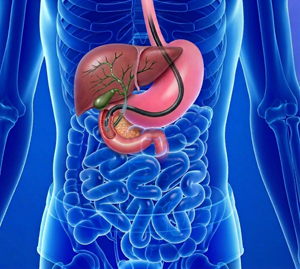
What is ERCP with Spyglass +/- EHL?
ERCP with SpyGlass +/- EHL is an advanced endoscopic procedure used to diagnose and treat problems in the bile ducts or pancreatic ducts, especially difficult stones, strictures, or tumors.
- ERCP (Endoscopic Retrograde Cholangiopancreatography) combines endoscopy and X-rays to access the bile and pancreatic ducts.
- SpyGlass is a tiny camera system passed through the ERCP scope, allowing the doctor to directly see inside the ducts.
- EHL (Electrohydraulic Lithotripsy) uses shockwave energy to break large or hard stones into smaller pieces for removal. The “+/-” means EHL may or may not be needed depending on the findings.
When is ERCP with Spyglass +/- EHL Indicated?
ERCP with SpyGlass +/- EHL is indicated when detailed evaluation or treatment of the bile ducts or pancreatic ducts is needed. It is commonly used for difficult or large bile duct stones that cannot be removed with standard ERCP, especially when EHL is required to break the stones. It may also be recommended for unexplained duct narrowing (strictures), suspected tumors, blocked bile ducts, recurrent pancreatitis, or abnormal imaging findings requiring direct visualization and targeted biopsy.
How Should I Prepare for ERCP with Spyglass +/- EHL?
Preparation for ERCP with SpyGlass +/- EHL usually includes fasting for 6–8 hours before the procedure. Your doctor may review your medications and advise stopping medications, such as blood thinners temporarily. Inform the medical team about allergies, pregnancy, implanted devices, or previous reactions to sedation. Arrange for someone to drive you home afterward, as sedation is commonly used.
What Happens During ERCP with Spyglass +/- EHL?
During ERCP with SpyGlass +/- EHL, you are given sedation or anesthesia for comfort. A flexible endoscope is passed through the mouth into the stomach and small intestine to reach the bile or pancreatic ducts. Contrast dye and X-ray imaging help identify blockages, stones, or strictures. The SpyGlass system allows direct visualization inside the ducts. If large or difficult stones are found, EHL may be used to break them into smaller fragments for removal. Stents or biopsies may also be performed if needed.
What Happens After ERCP with Spyglass +/- EHL?
After ERCP with SpyGlass +/- EHL, you are monitored until the sedation wears off. Mild bloating, sore throat, or nausea may occur temporarily. Most patients can return home the same day, though some may require observation. Your doctor will review findings, biopsy results, or stone removal success and provide dietary, medication, and follow-up instructions.
What are the Risks and Benefits of ERCP with Spyglass +/- EHL?
Benefits of ERCP with SpyGlass +/- EHL include direct visualization of the bile and pancreatic ducts, accurate diagnosis of strictures or tumors, effective treatment of difficult stones, targeted biopsies, relief of duct blockages, and avoidance of more invasive surgery in many cases.
Risks may include pancreatitis, bleeding, infection, perforation of the digestive tract or ducts, reactions to sedation, and temporary abdominal discomfort. Rarely, additional procedures or hospitalization may be required if complications occur.
Patient Services and Care Coordination
Our team can assist with appointments and general inquiries.