
Environmental and Food Allergies
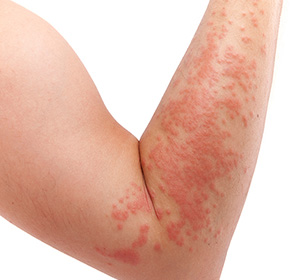
Food Allergies
Food allergies are immune-mediated reactions that occur shortly after eating specific foods. Unlike food intolerances, food allergies can cause systemic and potentially life-threatening reactions.
Common Food Allergens:
- Milk
- Eggs
- Peanuts
- Tree nuts (e.g., walnuts, almonds)
- Fish and shellfish
- Soy
- Wheat
Types of Food Allergic Reactions:
IgE-mediated reactions: This has rapid onset, and includes anaphylaxis
- Non-IgE-mediated reactions: In this type, we can see delayed onset, and it may involve gastrointestinal symptoms
- Mixed-type reactions: It has features of both mechanisms
Causes of Food allergies
Some of the causes of food allergies includes:
- Family history of allergies
- Immune system mistakenly reacting to food proteins
- Gut microbiome imbalance (dysbiosis)
- Delayed exposure to allergenic foods in infancy
- Processed foods and preservatives
- Cross-reactivity with environmental allergens
Symptoms of Food Allergies
Food allergies have following symptoms:
- Hives, itching, or eczema
- Swelling of lips, face, tongue, or throat
- Abdominal pain, diarrhea, nausea, or vomiting
- Wheezing or shortness of breath
- Anaphylaxis (life-threatening emergency)
Diagnosis of Food Allergies
Food Allergies can be diagnosed based on the patient’s detailed medical and diet history and also your healthcare providers may order a few investigations including:
- Elimination diet and food challenge
- Skin prick testing
- Serum IgE testing
- Atopy patch testing (for non-IgE-mediated reactions)
Management of Food Allergies
Food Allergies can be managed by:
- Complete avoidance of known allergens
- Use of epinephrine auto-injectors for anaphylaxis
- Education on reading food labels and emergency management
- Dietitian support to ensure nutritional adequacy
Prevention of Environmental and Food Allergies
Some of the preventive measures to avoid environmental and food allergies include:
- To educate patients and caregivers about allergen avoidance strategies.
- Encouraging early recognition of symptoms.
- Promoting timely intervention and emergency preparedness, especially in cases at risk of anaphylaxis.
- Considering early introduction of potential allergens during infancy (as per current guidelines) to reduce allergy risk.
Patient Services and Care Coordination
Our team can assist with appointments and general inquiries.