
Biofeedback Therapy
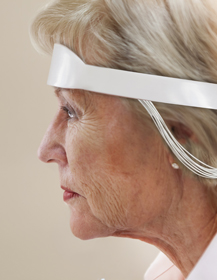
What is Biofeedback Therapy?
Biofeedback therapy is a treatment approach that teaches people to control certain body functions that are normally automatic, such as heart rate, muscle tension, breathing, or skin temperature. It uses sensors attached to your body to provide real-time feedback, often displayed on a screen, so you can see how your body responds to stress, thoughts, or relaxation.
What are the Common Types of Biofeedback Therapy?
The common types of biofeedback therapy include the following:
- Electromyography (EMG) Biofeedback – Measures muscle tension and helps improve muscle relaxation and control.
- Thermal Biofeedback – Monitors skin temperature to help manage stress, circulation problems, and headaches.
- Heart Rate Variability (HRV) Biofeedback – Tracks heart rate patterns to improve stress management, relaxation, and emotional control.
- Electroencephalography (EEG) or Neurofeedback – Measures brain wave activity and is commonly used for ADHD, anxiety, sleep disorders, and neurological conditions.
- Respiratory Biofeedback – Monitors breathing patterns and teaches controlled breathing techniques for stress and anxiety reduction.
- Galvanic Skin Response (GSR) Biofeedback – Measures sweat gland activity to assess stress and emotional responses.
- Pelvic Floor Biofeedback – Helps patients strengthen and coordinate pelvic floor muscles to treat constipation, urinary incontinence, or faecal incontinence.
When is Biofeedback Therapy Needed?
Biofeedback therapy is needed when a person has physical or emotional symptoms that can be improved by learning to control body functions such as muscle tension, breathing, heart rate, or stress responses. It is commonly recommended for conditions like chronic pain, headaches, anxiety, stress, pelvic floor dysfunction, constipation, faecal incontinence, ADHD, and certain neurological or rehabilitation problems. Doctors may suggest biofeedback when symptoms persist despite routine treatment or when a non-invasive, drug-free therapy option is preferred.
What Happens During a Biofeedback Therapy Session?
In general, a biofeedback therapy session will involve the following steps:
- The therapist discusses the patient’s symptoms, medical history, and treatment goals.
- Small sensors are attached to the skin to monitor body functions such as heart rate, muscle tension, breathing, or skin temperature.
- The sensors send information to a computer, which displays the body’s responses through graphs, sounds, or visual signals.
- The therapist teaches relaxation methods, breathing exercises, posture correction, or muscle-control techniques.
- The patient watches how their body reacts during the exercises and learns how to control these responses.
- Repeated practice helps the patient gain better control over stress, pain, muscle tension, or other symptoms.
- At the end of the session, the therapist reviews improvements and may suggest exercises to continue at home.
How Long Does a Typical Course of Biofeedback Therapy Last, and How Soon Might a Patient Expect to See Results?
A typical course of biofeedback therapy may last anywhere from a few weeks to several months, depending on the condition being treated and the patient’s response to therapy. Sessions are usually scheduled once or twice a week and often last about 30–60 minutes each. Many patients notice some improvement after 4–6 sessions, while others may require 10–20 sessions or more for lasting results. Consistent practice of the techniques learned during therapy can help improve outcomes and maintain long-term benefits.
Are There Any Risks, Side Effects, or Patients for Whom Biofeedback is Not Recommended?
Biofeedback therapy is generally considered safe, non-invasive, and well-tolerated, with very few side effects. Some patients may occasionally experience mild discomfort from the sensors, temporary fatigue, dizziness, anxiety, or emotional discomfort while practising relaxation or discussing stressful situations. These effects are usually short-lived.
However, biofeedback may not be suitable for everyone. It should be used cautiously in patients with severe cognitive impairment, certain psychiatric conditions, or those who may have difficulty understanding or participating in the training process. In some cases, individuals with implanted electronic devices or severe skin sensitivities may require special consideration depending on the type of biofeedback used. A healthcare professional can determine whether biofeedback therapy is appropriate for a patient’s specific condition and needs.
Patient Services and Care Coordination
Our team can assist with appointments and general inquiries.