
Biliary Tract Disease in Children
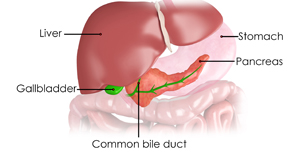
What is Biliary Tract Disease in Children?
Biliary tract disease in children refers to a group of conditions that affect the bile ducts, gallbladder, or the flow of bile from the liver to the intestine. Bile is a digestive fluid made by the liver that helps digest fats and remove waste products from the body. When the biliary system is blocked, inflamed, infected, or does not develop properly, it can lead to biliary tract disease.
What are the Common Types of Biliary Tract Diseases in Children?
The common types of biliary tract diseases in children include the following:
- Biliary Atresia: A condition in infants where the bile ducts are blocked or missing, preventing normal bile flow and causing liver damage.
- Choledochal Cysts: Abnormal widening of the bile ducts that can lead to pain, jaundice, infections, or pancreatitis.
- Gallstones (Cholelithiasis): Hardened deposits that form in the gallbladder or bile ducts and may block bile flow.
- Cholangitis: Infection or inflammation of the bile ducts that can cause fever, abdominal pain, and jaundice.
- Bile Duct Strictures: Narrowing of the bile ducts due to inflammation, injury, or congenital defects, leading to poor bile drainage.
- Primary Sclerosing Cholangitis: A rare disease that causes inflammation and scarring of the bile ducts over time.
- Cholecystitis: Inflammation of the gallbladder, often linked to gallstones or infection.
What are the Causes of Biliary Tract Disease in Children?
Biliary tract disease in children can be caused by congenital (present at birth) abnormalities, infections, inflammation, blockages, or inherited conditions that affect bile flow. Common causes include biliary atresia, choledochal cysts, gallstones, viral infections, and genetic or metabolic disorders such as cystic fibrosis. Autoimmune diseases, liver disorders, or injury to the bile ducts may also contribute to biliary tract problems in some children.
What are the Signs and Symptoms of Biliary Tract Disease in Children?
Common signs and symptoms of biliary tract disease in children include jaundice (yellowing of the skin and eyes), dark urine, pale or clay-colored stools, abdominal pain, nausea, vomiting, poor appetite, fever, and itching. Some children may also experience fatigue, poor weight gain, abdominal swelling, or delayed growth. In infants, prolonged jaundice and feeding difficulties may be important early signs.
How is Biliary Tract Disease in Children Diagnosed?
Biliary tract disease in children is diagnosed through a combination of medical history, physical examination, blood tests, and imaging studies. Doctors may check liver function and bilirubin levels, and use ultrasound, MRI, or specialized scans to examine the bile ducts and liver. In some cases, procedures such as endoscopy, cholangiography, or liver biopsy may be needed to confirm the diagnosis and identify the underlying cause.
How is Biliary Tract Disease in Children Treated?
Treatment for biliary tract disease in children depends on the specific condition and its severity. It may include medications to treat infections, reduce inflammation, improve bile flow, or relieve symptoms such as itching and pain. Nutritional support and vitamin supplements are often needed, especially if bile flow is reduced. Some children may require procedures such as endoscopy to remove blockages or place stents. Surgery may be needed to repair bile ducts, remove cysts or the gallbladder, or treat conditions like biliary atresia. In severe cases with significant liver damage, liver transplantation may be necessary.
Patient Services and Care Coordination
Our team can assist with appointments and general inquiries.