
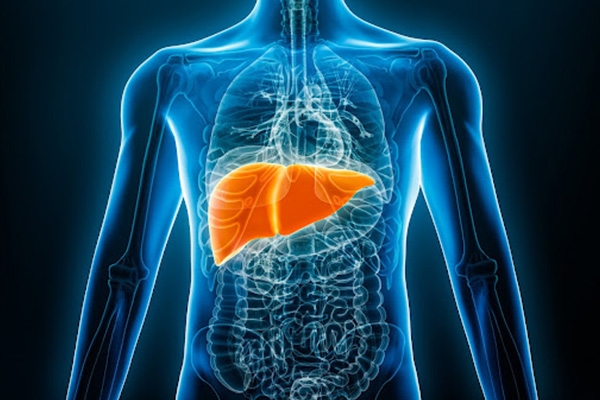
Most people have never heard of a FibroScan, until their doctor orders one. Yet this non-invasive liver assessment tool is quietly becoming one of the most important diagnostic advances in gastroenterology, offering patients a fast, painless window into liver health that previously required a needle biopsy to achieve. As June marks Fatty Liver Awareness Month, there has never been a better time to understand what a FibroScan is, how it works, and whether you should have one.
What Is a FibroScan and How Does It Work?
A FibroScan is a specialized ultrasound-based technology that measures two critical markers of liver health: stiffness and fat content. Liver stiffness is a direct indicator of fibrosis, the scarring that accumulates as the liver sustains damage over time, while the fat content measurement, called the Controlled Attenuation Parameter (CAP), quantifies the degree of fat infiltration in liver tissue.
The procedure itself takes approximately ten minutes. A technician places a probe on the skin over the right side of the abdomen and delivers a series of painless vibration pulses that travel through the liver. The speed at which those pulses travel, measured in kilopascals, reflects how stiff or scarred the liver tissue is. No needles, no sedation, no preparation, and no recovery time are required.
Why Fatty Liver Awareness Month Makes FibroScan More Relevant Than Ever
June's designation as Fatty Liver Awareness Month shines a necessary spotlight on metabolic dysfunction-associated steatotic liver disease (MASLD), formerly known as non-alcoholic fatty liver disease (NAFLD), which now affects an estimated one in four adults worldwide. The condition progresses silently, producing no symptoms in its early stages, and a significant proportion of patients are unaware they have it until fibrosis or cirrhosis has already developed.
This is precisely where FibroScan fills a critical clinical gap. Standard liver function blood tests frequently appear normal even in patients with significant fat accumulation or early-stage fibrosis. FibroScan provides objective, quantifiable data on both liver fat and scarring that blood tests alone cannot capture, making it an essential tool for identifying at-risk patients before irreversible damage occurs.
Who Should Get a FibroScan?
FibroScan is an appropriate component of the diagnostic evaluation for a broad range of patient conditions, and Texas Digestive Specialists recommend it for anyone with known or suspected liver disease, as well as those with significant risk factors for liver disease. The strongest indications include a diagnosis or suspicion of fatty liver disease, elevated liver enzymes on routine bloodwork, a history of heavy alcohol use, obesity or metabolic syndrome, type 2 diabetes, chronic hepatitis B or C infection, and patients who have been on long-term medications known to affect liver health.
It is also valuable as a monitoring tool for patients already diagnosed with liver conditions, allowing gastroenterologists to track disease progression or response to treatment over time objectively without a requirement for repeated invasive testing.
FibroScan Monitoring Recommendations: Who Should Be Tested Regularly?
FibroScan is not just a diagnostic tool, it also helps monitor liver health over time. Texas Digestive Specialists may recommend regular FibroScan testing for:
- Patients with fatty liver disease (MASLD/NAFLD): Annual FibroScan exams can track changes in liver fat and stiffness, helping determine whether the condition is stable, improving, or progressing.
- Patients with persistently elevated liver enzymes: Ongoing abnormalities in AST, ALT, or alkaline phosphatase may indicate continued liver injury, making repeat FibroScan useful for reassessing fibrosis.
- Individuals with abnormal liver imaging: Findings such as an enlarged liver, fatty liver on ultrasound, or other structural changes seen on CT or MRI may warrant FibroScan to better evaluate the severity of liver scarring.
Regular monitoring provides valuable insight into disease progression and helps guide treatment decisions without the need for invasive testing.
What FibroScan Results Mean for Your Treatment Plan
FibroScan results are reported on a scale that stratifies liver stiffness from no significant fibrosis through advanced fibrosis and cirrhosis. The fat content measurement is similarly categorized from mild to severe steatosis. These results, interpreted alongside clinical history and laboratory findings, allow the gastroenterology team to build a precise, personalized treatment plan.
Patients with mild findings may be managed through dietary intervention, weight reduction, and metabolic risk factor control, monitored with periodic repeat FibroScan to track progress. Those with moderate to advanced fibrosis are evaluated for more aggressive intervention, which may include further diagnostic workup such as upper endoscopy (EGD) to assess for varices, liver biopsy for histological confirmation, screening measures for liver cancer, or referral coordination for advanced liver disease management.
Comprehensive Digestive and Liver Care at Texas Digestive Specialists
FibroScan is one component of the comprehensive hepatology and gastroenterology services available at Texas Digestive Specialists. Our full range of procedures and services includes diagnostic and screening colonoscopy, upper endoscopy (EGD), capsule endoscopy, flexible sigmoidoscopy, hemorrhoid banding, esophageal dilation, pH monitoring, and management of conditions including NAFLD and MASLD, GERD, inflammatory bowel disease (IBD), Crohn's disease, ulcerative colitis, irritable bowel syndrome (IBS), hepatitis B and C, and cirrhosis.
Frequently Asked Questions: FibroScan
-
Is a FibroScan the same as a regular liver ultrasound?
No. A standard ultrasound provides images of liver size and structure but cannot quantify liver stiffness or fat content with the precision of FibroScan. FibroScan uses a specialized technology called transient elastography specifically designed to measure fibrosis and steatosis, two findings a routine ultrasound cannot reliably grade.
-
Does a FibroScan require any preparation?
Patients are typically asked to fast for at least two hours before the procedure, as a recent meal can affect the fat content reading. No bowel preparation, sedation, or special dietary restriction is required beyond that.
-
Is a FibroScan painful or uncomfortable?
No. The procedure involves only a gentle vibration sensation on the right side of the abdomen where the probe is applied. Most patients describe it as entirely comfortable, and the entire assessment is completed in approximately ten minutes with no recovery time required.
-
How often should a FibroScan be repeated?
The recommended interval depends on the initial findings and underlying diagnosis. Patients with mild findings who are making lifestyle changes may be rescanned annually to monitor progress. Those with moderate to advanced fibrosis are typically monitored more frequently as part of a structured liver disease management plan.
-
Does insurance cover FibroScan?
Coverage varies by insurance plan and clinical indication. Most major insurance companies cover Fibroscan when ordered for an established clinical indication such as chronic hepatitis, elevated liver enzymes, or known fatty liver disease.
Reference Links:
FibroScan - WebMD
AUTHOR: NOLAN E. PEREZ, MD, FACP, FACG
Dr. Nolan Perez is a board-certified gastroenterologist and the founder of Texas Digestive Specialists. With over 15 years of clinical excellence, Dr. Perez provides comprehensive digestive care to patients throughout the Rio Grande Valley, including McAllen, Harlingen, and Brownsville. He is recognized as a leading authority in gastroenterology, hepatology, and colorectal cancer prevention, dedicated to improving health outcomes through advanced diagnostics and patient-centered treatment plans.
Credentials & Recognition
Dr. Perez earned his Bachelor of Arts from the University of Texas at Austin and a Medical Doctorate from the University of Texas Health Science Center at San Antonio. After medical school, Dr. Perez served in the United States Navy as a Medical Corps Officer. He then completed residency training in Internal Medicine at the Regional Academic Health Center in Harlingen and fellowship training in Gastroenterology/Hepatology at Wayne State University/Detroit Medical Center. He is Board Certified in Gastroenterology and is a Fellow of the American College of Physicians and a Fellow of the American College of Gastroenterology. Dr. Perez is an active member of the American Gastroenterological Association (AGA), the American Society for Gastrointestinal Endoscopy (ASGE), the American Medical Association (AMA), the Texas Medical Association (TMA) and the Cameron/Willacy County Medical Society.
Dr. Perez currently serves as a member of the University of Texas System Board of Regents. He is also a Trustee for Harlingen CISD, member of the Philosophical Society of Texas and Governing Board for The Holdsworth Center. Dr. Perez is fluent in both English and Spanish. He is available for consultation in our McAllen, Harlingen and Brownsville offices.
Clinical Expertise
Dr. Perez specializes in the management of a wide range of gastrointestinal and liver disorders, from chronic acid reflux (GERD) and inflammatory bowel disease (IBD) to fatty liver disease and hepatitis. He is an expert in performing essential diagnostic procedures, including screening colonoscopies and upper endoscopies (EGD). He also specializes in liver and biliary disease while also performing advanced procedures such as EUS and ERCP. By integrating the latest medical innovations with a compassionate, evidence-based approach, Dr. Perez helps his patients achieve long-term digestive wellness. His practice is built on the philosophy that proactive screening and lifestyle management are the most effective tools for preventing chronic disease and enhancing quality of life.
Medical Disclaimer: This information is for educational purposes only and does not constitute medical advice. For diagnosis and treatment recommendations, please consult with Dr. Perez or another qualified specialist at Texas Digestive Specialists.
AUTHOR: BRIAN P. RUTLEDGE, MD
Dr. Brian P. Rutledge is a board-certified gastroenterologist dedicated to delivering comprehensive digestive care to patients in the Rio Grande Valley, including Harlingen and surrounding communities. As a provider at Texas Digestive Specialists, Dr. Rutledge is known for his evidence-based approach and commitment to improving patient outcomes through early detection, advanced diagnostics, and personalized treatment strategies in gastrointestinal and liver disease.
Credentials & Recognition
Dr. Rutledge earned his Bachelor of Science in Biological Sciences with honors from Wayne State University, followed by his Medical Doctorate from Wayne State University School of Medicine. He completed his residency in Internal Medicine and fellowship training in Gastroenterology at the Detroit Medical Center/Wayne State University, where he also served as an academic hospitalist and Clinical Assistant Professor.
Throughout his training and career, Dr. Rutledge has been recognized for his academic and clinical achievements, including first-place honors at Quality Education and Safe Systems Training Research Day and selection as an abstract reviewer for the American Association for the Study of Liver Diseases (AASLD) Liver Meeting. He has also received multiple awards for excellence during his residency and medical training.
Dr. Rutledge is an active member of leading professional organizations, including the American College of Gastroenterology (ACG), the American Gastroenterological Association (AGA), the American Society for Gastrointestinal Endoscopy (ASGE), the American Association for the Study of Liver Diseases (AASLD), and the American Medical Association (AMA). He has contributed to the medical community through leadership roles, editorial work, and participation in peer review and clinical committees.
Clinical Expertise
Dr. Rutledge specializes in the diagnosis and management of a wide range of gastrointestinal and liver conditions, including gastroesophageal reflux disease (GERD), inflammatory bowel disease (IBD), liver disease, and colorectal cancer. He is highly skilled in performing diagnostic and therapeutic procedures such as colonoscopy and upper endoscopy (EGD), with a focus on preventive care and early detection.
His clinical interests also include hepatology and complex digestive disorders, supported by extensive research and published work in areas such as hepatocellular carcinoma, colorectal cancer, and chronic liver disease. Dr. Rutledge combines clinical expertise with a patient-centered approach, ensuring that each patient receives individualized care tailored to their unique health needs.
Medical Disclaimer: This information is for educational purposes only and does not constitute medical advice. For diagnosis and treatment recommendations, please consult with Dr. Rutledge or another qualified specialist at Texas Digestive Specialists.