
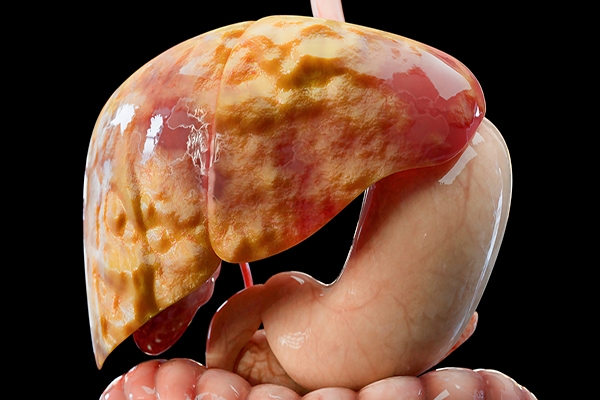
You barely touch alcohol, yet your doctor says the words you did not expect: fatty liver. It is far more common than most people realize, and it often causes no symptoms. The cause can often have little to do with drinking and a lot to do with how your body handles sugar and fat. Here is what causes fatty liver in people who do not drink, and what to do about it.
What Is Fatty Liver Disease Without Alcohol?
Fatty liver means extra fat has built up inside liver cells. When it develops without heavy drinking, it is now called metabolic dysfunction-associated steatotic liver disease, or MASLD, which was previously known as NAFLD (Non-Alcoholic Fatty Liver Disease). An estimated one in three adults in the United States has it. In some people, the fat triggers inflammation and injury, a more serious form called Metabolic Associated Steatohepatitis (MASH). Over time, MASH can cause scarring (fibrosis), cirrhosis, and even liver cancer. Our adult gastroenterology team, using their specialized hepatology training, evaluates digestive, liver, and pancreas conditions like this one.
Insulin Resistance: The Root of the Problem
The biggest driver is insulin resistance. When your cells stop responding well to insulin, the body produces more of it, and the liver responds by turning excess sugar into fat. That fat then gets stored in the liver itself. This process can begin years before diabetes is ever diagnosed, which is why fatty liver is often an early warning sign of a larger metabolic problem.
Excess Weight and Belly Fat
Carrying extra weight, especially around the abdomen, raises the risk sharply. Deep belly fat releases fatty acids that flow straight to the liver. Fatty liver is not limited to people with obesity, though. Some people at a normal weight develop it because of where their body stores fat, their genetics, or their diet. If weight is part of your picture, our advanced weight loss team offers surgical and non-surgical options.
Diabetes, High Cholesterol, and Metabolic Syndrome
Fatty liver rarely shows up alone. It often appears alongside type 2 diabetes, prediabetes, high triglycerides, low HDL cholesterol, and high blood pressure. Together with a larger waistline, these conditions make up what doctors call metabolic syndrome. Each one raises your chances of liver fat, and liver fat in turn makes the others harder to control.
Diet: Sugar, Refined Carbs, and Ultra-Processed Food
What you eat matters even if you never drink. Sugary beverages, sweets, white bread, fried foods, and highly processed snacks push the liver to make more fat. Fructose, found in soda and many sweetened products, is especially hard on the liver when consumed in large amounts. A diet built around vegetables, fruit, whole grains, legumes, fish, and olive oil tends to protect it.
Genetics, Ethnicity, and Other Risk Factors
Family history plays a role, and certain gene variants make some people more prone to storing liver fat. Studies show higher rates of fatty liver among Hispanic adults, and communities in South Texas, including the Rio Grande Valley, also face high rates of obesity and diabetes. Other contributors include:
- Polycystic ovary syndrome (PCOS)
- Obstructive sleep apnea
- An underactive thyroid
- Very rapid weight loss
- Certain medications, such as long-term corticosteroids, tamoxifen, amiodarone, and methotrexate
- Other liver conditions, such as hepatitis C
Why Fatty Liver Often Goes Unnoticed
Most people feel fine. Some notice fatigue or a vague discomfort in the upper right abdomen, but many have no symptoms at all. The condition is often discovered by accident, when blood tests show elevated liver enzymes or an ultrasound shows a bright, fatty liver. Because damage can progress quietly, screening matters for people with diabetes, obesity, or metabolic syndrome.
How Doctors Diagnose and Stage It
Evaluation usually starts with a medical history, a review of medications, and blood tests. Imaging such as ultrasound, along with specialized tests that estimate liver stiffness, helps show how much fat and scarring are present. A biopsy is sometimes needed when the diagnosis is unclear. Your doctor will also rule out other causes of liver disease, such as viral hepatitis.
What You Can Do to Reverse Fatty Liver
The encouraging news is that early fatty liver can often improve. The most effective steps are:
- Lose weight gradually: Losing 5 to 10 percent of your body weight can reduce liver fat and inflammation.
- Move regularly: Aim for about 150 minutes of moderate activity each week.
- Cut sugary drinks and processed foods: Replace them with water and whole foods.
- Manage diabetes, cholesterol, and blood pressure: Treating these conditions protects the liver.
- Review your medications: Ask your doctor before changing any prescription.
When lifestyle changes are not enough, medication and, for some people with severe obesity, bariatric surgery can improve liver health. Children can develop fatty liver too, and our pediatric gastroenterology team cares for young patients.
Frequently Asked Questions
Can you get fatty liver without drinking alcohol?
Yes. Fatty liver can develop in people who drink little or no alcohol. It is usually linked to insulin resistance, excess weight, type 2 diabetes, high cholesterol, and diet. The condition is now called MASLD.
What are the main causes of non-alcoholic fatty liver disease?
The most common causes are insulin resistance, obesity, type 2 diabetes, high triglycerides, and metabolic syndrome. Poor diet, genetics, sleep apnea, PCOS, rapid weight loss, and certain medications can also contribute.
Can fatty liver be reversed?
Often, yes, especially in early stages. Losing 5 to 10 percent of body weight, eating a healthier diet, and exercising regularly can reduce liver fat and inflammation. Advanced scarring is harder to reverse, so early action matters.
What are the symptoms of fatty liver disease?
Many people have no symptoms. When symptoms occur, they may include fatigue, a dull ache or fullness in the upper right abdomen, or unexplained weight changes. Fatty liver is often found through routine blood tests or imaging.
When should I see a doctor for fatty liver?
See a doctor if blood tests show elevated liver enzymes, if imaging mentions a fatty liver, or if you have diabetes, obesity, or metabolic syndrome. Seek care promptly for yellowing of the skin or eyes, abdominal swelling, or black stools.
Protect Your Liver Before Symptoms Appear
Because fatty liver is silent, finding it early gives you the best chance to turn it around. If you have been told your liver enzymes are high, or you have risk factors, you can request an appointment to talk through your options.
AUTHOR: NOLAN E. PEREZ, MD, FACP, FACG
Dr. Nolan Perez is a board-certified gastroenterologist and the founder of Texas Digestive Specialists. With over 15 years of clinical excellence, Dr. Perez provides comprehensive digestive care to patients throughout the Rio Grande Valley, including McAllen, Harlingen, and Brownsville. He is recognized as a leading authority in gastroenterology, hepatology, and colorectal cancer prevention, dedicated to improving health outcomes through advanced diagnostics and patient-centered treatment plans.
Credentials & Recognition
Dr. Perez earned his Bachelor of Arts from the University of Texas at Austin and a Medical Doctorate from the University of Texas Health Science Center at San Antonio. After medical school, Dr. Perez served in the United States Navy as a Medical Corps Officer. He then completed residency training in Internal Medicine at the Regional Academic Health Center in Harlingen and fellowship training in Gastroenterology/Hepatology at Wayne State University/Detroit Medical Center. He is Board Certified in Gastroenterology and is a Fellow of the American College of Physicians and a Fellow of the American College of Gastroenterology. Dr. Perez is an active member of the American Gastroenterological Association (AGA), the American Society for Gastrointestinal Endoscopy (ASGE), the American Medical Association (AMA), the Texas Medical Association (TMA) and the Cameron/Willacy County Medical Society.
Dr. Perez currently serves as a member of the University of Texas System Board of Regents. He is also a Trustee for Harlingen CISD, member of the Philosophical Society of Texas and Governing Board for The Holdsworth Center. Dr. Perez is fluent in both English and Spanish. He is available for consultation in our McAllen, Harlingen and Brownsville offices.
Clinical Expertise
Dr. Perez specializes in the management of a wide range of gastrointestinal and liver disorders, from chronic acid reflux (GERD) and inflammatory bowel disease (IBD) to fatty liver disease and hepatitis. He is an expert in performing essential diagnostic procedures, including screening colonoscopies and upper endoscopies (EGD). He also specializes in liver and biliary disease while also performing advanced procedures such as EUS and ERCP. By integrating the latest medical innovations with a compassionate, evidence-based approach, Dr. Perez helps his patients achieve long-term digestive wellness. His practice is built on the philosophy that proactive screening and lifestyle management are the most effective tools for preventing chronic disease and enhancing quality of life.
Medical Disclaimer: This information is for educational purposes only and does not constitute medical advice. For diagnosis and treatment recommendations, please consult with Dr. Perez or another qualified specialist at Texas Digestive Specialists.
Content authored by Dr. Nolan E. Perez and verified against official sources.
AUTHOR: BRIAN P. RUTLEDGE, MD
Dr. Brian P. Rutledge is a board-certified gastroenterologist dedicated to delivering comprehensive digestive care to patients in the Rio Grande Valley, including Harlingen and surrounding communities. As a provider at Texas Digestive Specialists, Dr. Rutledge is known for his evidence-based approach and commitment to improving patient outcomes through early detection, advanced diagnostics, and personalized treatment strategies in gastrointestinal and liver disease.
Credentials & Recognition
Dr. Rutledge earned his Bachelor of Science in Biological Sciences with honors from Wayne State University, followed by his Medical Doctorate from Wayne State University School of Medicine. He completed his residency in Internal Medicine and fellowship training in Gastroenterology at the Detroit Medical Center/Wayne State University, where he also served as an academic hospitalist and Clinical Assistant Professor.
Throughout his training and career, Dr. Rutledge has been recognized for his academic and clinical achievements, including first-place honors at Quality Education and Safe Systems Training Research Day and selection as an abstract reviewer for the American Association for the Study of Liver Diseases (AASLD) Liver Meeting. He has also received multiple awards for excellence during his residency and medical training.
Dr. Rutledge is an active member of leading professional organizations, including the American College of Gastroenterology (ACG), the American Gastroenterological Association (AGA), the American Society for Gastrointestinal Endoscopy (ASGE), the American Association for the Study of Liver Diseases (AASLD), and the American Medical Association (AMA). He has contributed to the medical community through leadership roles, editorial work, and participation in peer review and clinical committees.
Clinical Expertise
Dr. Rutledge specializes in the diagnosis and management of a wide range of gastrointestinal and liver conditions, including gastroesophageal reflux disease (GERD), inflammatory bowel disease (IBD), liver disease, and colorectal cancer. He is highly skilled in performing diagnostic and therapeutic procedures such as colonoscopy and upper endoscopy (EGD), with a focus on preventive care and early detection.
His clinical interests also include hepatology and complex digestive disorders, supported by extensive research and published work in areas such as hepatocellular carcinoma, colorectal cancer, and chronic liver disease. Dr. Rutledge combines clinical expertise with a patient-centered approach, ensuring that each patient receives individualized care tailored to their unique health needs.
Medical Disclaimer: This information is for educational purposes only and does not constitute medical advice. For diagnosis and treatment recommendations, please consult with Dr. Rutledge or another qualified specialist at Texas Digestive Specialists.
Content authored by Dr. Brian P. Rutledge and verified against official credentials and professional records.