
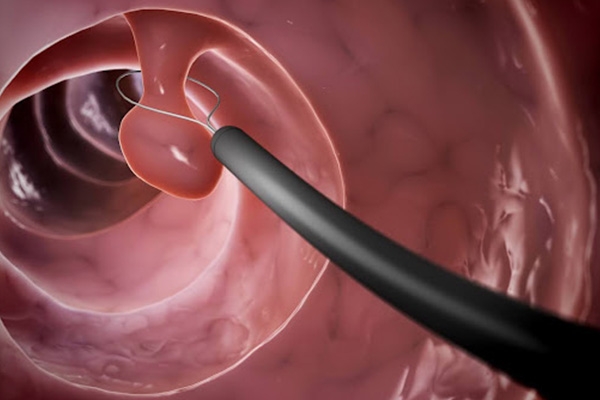
Colon polyps are one of the most common findings during routine colonoscopy screenings, yet many patients are unsure what they actually mean. While some polyps require closer monitoring, the majority are successfully removed before causing serious problems. Here is what you should know about colon polyp types, removal procedures, and future screening recommendations.
Understanding how Colon Polyps are Formed
A colon polyp is a small growth on the inner lining of the colon or rectum. They are extraordinarily common, found in approximately 40-50% of adults who undergo screening colonoscopy, and the vast majority are completely benign at the time of removal. Polyps form when the normal cellular growth cycle in the colon lining is disrupted, producing an overgrowth of tissue that protrudes into the colon wall.
Risk factors include age over 45, a family history of colorectal cancer or polyps, obesity, tobacco use, a diet high in processed red meat, and low fiber intake. Having polyps once also increases the likelihood of developing them again, which is why surveillance colonoscopy intervals are individualized based on findings.
Not All Polyps Are the Same: Understanding the Types
The type of polyp found during colonoscopy determines virtually everything about what happens next. The two most common categories are hyperplastic polyps and adenomatous polyps.
Hyperplastic polyps are very common at the end of the colon tract and carry essentially no malignant potential. They are typically small and require no intervention beyond removal at the time of colonoscopy.
Adenomatous polyps, or adenomas, are the type that warrant closer attention. These are considered pre-cancerous, meaning that if left in place over a long period, a subset of them can eventually progress to colorectal cancer. The risk depends on size, number, and whether the polyp has certain cellular features called high-grade dysplasia.
Sessile serrated lesions are a third category that have gained increasing clinical attention in recent years for their malignant potential and aggressive behavior despite a benign appearance.
What Happens When a Polyp Is Found During a Colonoscopy
In the majority of cases, polyps are removed entirely during the same colonoscopy procedure in which they are found, a process called polypectomy. This can be performed using biopsy forceps for small polyps or a wire snare technique called snare polypectomy for larger ones. Advanced resection techniques, including endoscopic mucosal resection (EMR) and endoscopic submucosal dissection (ESD), are available for larger or more complex polyps.
The removed tissue is then sent to pathology for analysis, and the results determine both the cancer risk assessment and the recommended surveillance interval for the next colonoscopy. This is why the phrase "polyps were found and removed" is almost always a success story rather than a cause for alarm, the colonoscopy did exactly what it was designed to do.
What Your Surveillance Schedule Means Going Forward
Following a colonoscopy with polyp findings, Texas Digestive Specialists will recommend a personalized follow-up interval based on your pathology results. Patients with one or two small adenomas typically return in five years. Those with multiple adenomas, larger polyps, or high-grade dysplasia are typically scheduled for a one to three-year surveillance colonoscopy.
Adhering to this schedule is critical. The interval between colonoscopies is not arbitrary, it is calibrated to your specific polyp biology, and skipping or delaying surveillance meaningfully increases the window during which new polyps can develop and progress undetected.
Procedures and Services at Texas Digestive Specialists
Beyond diagnostic and screening colonoscopy, Texas Digestive Specialists offers a comprehensive range of gastroenterology procedures, including upper endoscopy (EGD), capsule endoscopy, flexible sigmoidoscopy, hemorrhoid banding, esophageal dilation, pH monitoring, and management of inflammatory bowel disease (IBD), irritable bowel syndrome (IBS), GERD, Crohn's disease, and ulcerative colitis.
Frequently Asked Questions: Polyps Found During Colonoscopy
-
Should I be worried if polyps were found during my colonoscopy?
In most cases, no. The majority of polyps found during screening colonoscopy are benign and are removed entirely during the procedure itself. The finding means the colonoscopy was effective in preventing colon cancer, not that cancer is present or imminent.
-
Does having a polyp mean I have or will get colon cancer?
Not necessarily. Most polyps, particularly hyperplastic polyps, carry no cancer risk. Adenomatous polyps have the potential to become cancerous over many years if left untreated, but removal during colonoscopy eliminates that risk entirely for those specific polyps.
-
How are polyps removed during a colonoscopy?
Small polyps are typically removed using biopsy forceps or a snare polypectomy technique during the same procedure. Larger or more complex polyps may require advanced techniques such as endoscopic mucosal resection (EMR), which can also be performed during colonoscopy.
-
When will I need my next colonoscopy after a polyp is found?
Your follow-up interval depends on the number, size, and pathology results of the polyps removed. Most patients with one or two small adenomas are scheduled for a repeat colonoscopy in five years. Your gastroenterologist will provide a personalized recommendation based on your specific findings.
-
Can polyps come back after they have been removed?
Having polyps once does increase the likelihood of developing new polyps in the future, which is why surveillance colonoscopy at the recommended interval is important. The polyps that were removed will not regrow, but new ones can form elsewhere in the colon.
-
At what age should I start screening for colon polyps?
Current guidelines from the American Cancer Society recommend that adults at average risk begin colorectal cancer screening at age 45. Individuals with a family history of colorectal cancer, prior polyp findings, or inflammatory bowel disease may be advised to begin screening earlier, a decision best made in consultation with a gastroenterologist.
Reference Links:
AUTHOR: NOLAN E. PEREZ, MD, FACP, FACG
Dr. Nolan Perez is a board-certified gastroenterologist and the founder of Texas Digestive Specialists. With over 15 years of clinical excellence, Dr. Perez provides comprehensive digestive care to patients throughout the Rio Grande Valley, including McAllen, Harlingen, and Brownsville. He is recognized as a leading authority in gastroenterology, hepatology, and colorectal cancer prevention, dedicated to improving health outcomes through advanced diagnostics and patient-centered treatment plans.
Credentials & Recognition
Dr. Perez earned his Bachelor of Arts from the University of Texas at Austin and a Medical Doctorate from the University of Texas Health Science Center at San Antonio. After medical school, Dr. Perez served in the United States Navy as a Medical Corps Officer. He then completed residency training in Internal Medicine at the Regional Academic Health Center in Harlingen and fellowship training in Gastroenterology/Hepatology at Wayne State University/Detroit Medical Center. He is Board Certified in Gastroenterology and is a Fellow of the American College of Physicians and a Fellow of the American College of Gastroenterology. Dr. Perez is an active member of the American Gastroenterological Association (AGA), the American Society for Gastrointestinal Endoscopy (ASGE), the American Medical Association (AMA), the Texas Medical Association (TMA) and the Cameron/Willacy County Medical Society.
Dr. Perez currently serves as a member of the University of Texas System Board of Regents. He is also a Trustee for Harlingen CISD, member of the Philosophical Society of Texas and Governing Board for The Holdsworth Center. Dr. Perez is fluent in both English and Spanish. He is available for consultation in our McAllen, Harlingen and Brownsville offices.
Clinical Expertise
Dr. Perez specializes in the management of a wide range of gastrointestinal and liver disorders, from chronic acid reflux (GERD) and inflammatory bowel disease (IBD) to fatty liver disease and hepatitis. He is an expert in performing essential diagnostic procedures, including screening colonoscopies and upper endoscopies (EGD). He also specializes in liver and biliary disease while also performing advanced procedures such as EUS and ERCP. By integrating the latest medical innovations with a compassionate, evidence-based approach, Dr. Perez helps his patients achieve long-term digestive wellness. His practice is built on the philosophy that proactive screening and lifestyle management are the most effective tools for preventing chronic disease and enhancing quality of life.
Medical Disclaimer: This information is for educational purposes only and does not constitute medical advice. For diagnosis and treatment recommendations, please consult with Dr. Perez or another qualified specialist at Texas Digestive Specialists.
Content authored by Dr. Nolan E. Perez and verified against official sources.
AUTHOR: BRIAN P. RUTLEDGE, MD
Dr. Brian P. Rutledge is a board-certified gastroenterologist dedicated to delivering comprehensive digestive care to patients in the Rio Grande Valley, including Harlingen and surrounding communities. As a provider at Texas Digestive Specialists, Dr. Rutledge is known for his evidence-based approach and commitment to improving patient outcomes through early detection, advanced diagnostics, and personalized treatment strategies in gastrointestinal and liver disease.
Credentials & Recognition
Dr. Rutledge earned his Bachelor of Science in Biological Sciences with honors from Wayne State University, followed by his Medical Doctorate from Wayne State University School of Medicine. He completed his residency in Internal Medicine and fellowship training in Gastroenterology at the Detroit Medical Center/Wayne State University, where he also served as an academic hospitalist and Clinical Assistant Professor.
Throughout his training and career, Dr. Rutledge has been recognized for his academic and clinical achievements, including first-place honors at Quality Education and Safe Systems Training Research Day and selection as an abstract reviewer for the American Association for the Study of Liver Diseases (AASLD) Liver Meeting. He has also received multiple awards for excellence during his residency and medical training.
Dr. Rutledge is an active member of leading professional organizations, including the American College of Gastroenterology (ACG), the American Gastroenterological Association (AGA), the American Society for Gastrointestinal Endoscopy (ASGE), the American Association for the Study of Liver Diseases (AASLD), and the American Medical Association (AMA). He has contributed to the medical community through leadership roles, editorial work, and participation in peer review and clinical committees.
Clinical Expertise
Dr. Rutledge specializes in the diagnosis and management of a wide range of gastrointestinal and liver conditions, including gastroesophageal reflux disease (GERD), inflammatory bowel disease (IBD), liver disease, and colorectal cancer. He is highly skilled in performing diagnostic and therapeutic procedures such as colonoscopy and upper endoscopy (EGD), with a focus on preventive care and early detection.
His clinical interests also include hepatology and complex digestive disorders, supported by extensive research and published work in areas such as hepatocellular carcinoma, colorectal cancer, and chronic liver disease. Dr. Rutledge combines clinical expertise with a patient-centered approach, ensuring that each patient receives individualized care tailored to their unique health needs.
Medical Disclaimer: This information is for educational purposes only and does not constitute medical advice. For diagnosis and treatment recommendations, please consult with Dr. Rutledge or another qualified specialist at Texas Digestive Specialists.
Content authored by Dr. Brian P. Rutledge and verified against official credentials and professional records.