
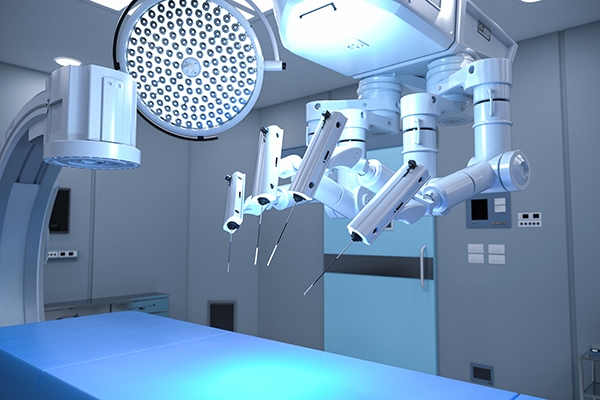
Hearing that you need colon surgery can bring as many questions as concerns. Many patients worry less about the procedure itself than about how much pain they will have afterward and how long recovery will take. Advances in minimally invasive robotic surgery are changing that experience for many people by helping surgeons operate with greater precision while minimizing disruption to healthy tissue. Here is how robotic surgery may improve recovery after colon surgery.
Understanding Robotic Colon Surgery
Robotic-assisted colon surgery is a minimally invasive technique that allows a specially trained colorectal surgeon to perform complex procedures through several small incisions rather than one large abdominal incision. The surgeon remains in complete control throughout the operation, using hand controls to guide robotic instruments that provide exceptional precision, flexibility, and a high-definition three-dimensional view of the surgical field.
At Texas Digestive Specialists, colon and rectal surgeons provide minimally invasive robotic procedures for a variety of colorectal conditions, including colon cancer, diverticular disease, inflammatory bowel disease, and other disorders requiring surgical treatment. The practice also offers comprehensive gastroenterology, bariatric, foregut, and pediatric digestive care, allowing patients to receive coordinated treatment across a broad range of digestive conditions.
Why Smaller Incisions Can Make a Big Difference
Traditional open colon surgery typically requires a larger incision to access the colon. While still appropriate in certain situations, larger incisions generally result in more tissue disruption, increased postoperative discomfort, and longer healing times.
Robotic surgery uses several small incisions to insert a camera and specialized instruments. Because less muscle and surrounding tissue are disturbed, patients often experience less postoperative pain, reduced blood loss, lower risk of wound complications, and smaller scars. Many patients also regain bowel function sooner than with traditional open surgery.
How Robotic Technology Improves Surgical Precision
One of the greatest advantages of robotic-assisted surgery is visualization. The surgeon operates while viewing a magnified, three-dimensional image of the anatomy, allowing important nerves, blood vessels, and surrounding structures to be identified with remarkable clarity.
The robotic instruments also provide a greater range of motion than the human wrist, making delicate dissection and suturing easier in the confined spaces of the pelvis and abdomen. This added precision can be especially valuable during colorectal cancer surgery and other technically demanding procedures where preserving healthy tissue is important.
Which Conditions Can Be Treated with Robotic Colon Surgery?
Robotic techniques are now used for many common colorectal operations, including:
- Colon cancer resection
- Diverticulitis surgery
- Inflammatory bowel disease surgery
- Removal of large colon polyps
- Certain rectal surgeries
- Selected benign colorectal conditions
Not every patient is a candidate for robotic surgery. Previous abdominal operations, the severity of disease, emergency situations, and individual anatomy all influence whether a minimally invasive robotic approach is appropriate. Your colorectal surgeon will recommend the safest option based on your specific condition.
What Recovery Looks Like After Robotic Colon Surgery
Every recovery is unique, but many patients notice meaningful differences during the first several days after surgery.
Because there is typically less tissue trauma, patients often begin walking sooner, require fewer narcotic pain medications, and resume eating earlier than many patients recovering from open surgery. Hospital stays may also be shorter, allowing patients to return home and begin recovering in a familiar environment. Studies have shown that minimally invasive robotic colectomy can provide outcomes comparable to or better than other approaches while maintaining excellent surgical safety.
Even with robotic surgery, recovery still requires patience. Following dietary recommendations, gradually increasing activity, and attending scheduled follow-up appointments all contribute to optimal healing.
Frequently Asked Questions
- Is robotic colon surgery actually performed by a robot?
No. The surgeon controls every movement of the robotic system throughout the procedure. The technology simply provides enhanced precision and visualization.
- Does robotic colon surgery hurt less?
Many patients experience less postoperative pain because robotic surgery uses smaller incisions and causes less disruption to surrounding tissues.
- How long is the hospital stay after robotic colon surgery?
Many patients go home sooner than they would after traditional open surgery, although the exact length of stay depends on the procedure and overall health.
- Can robotic surgery be used for colon cancer?
Yes. Robotic-assisted surgery is commonly used for appropriately selected patients with colon and rectal cancers, as well as several benign colorectal conditions.
- Am I a candidate for robotic colon surgery?
The answer depends on your diagnosis, medical history, prior surgeries, and overall health. A consultation with a colorectal surgeon can determine whether a robotic approach is appropriate.
Modern robotic technology continues to expand the options available for patients needing colorectal surgery. If you have been diagnosed with a colon or rectal condition that may require surgery, discussing minimally invasive robotic techniques with an experienced colorectal surgeon can help you better understand your treatment options and expected recovery.
Reference Links:
AUTHOR: NOLAN E. PEREZ, MD, FACP, FACG
Dr. Nolan Perez is a board-certified gastroenterologist and the founder of Texas Digestive Specialists. With over 15 years of clinical excellence, Dr. Perez provides comprehensive digestive care to patients throughout the Rio Grande Valley, including McAllen, Harlingen, and Brownsville. He is recognized as a leading authority in gastroenterology, hepatology, and colorectal cancer prevention, dedicated to improving health outcomes through advanced diagnostics and patient-centered treatment plans.
Credentials & Recognition
Dr. Perez earned his Bachelor of Arts from the University of Texas at Austin and a Medical Doctorate from the University of Texas Health Science Center at San Antonio. After medical school, Dr. Perez served in the United States Navy as a Medical Corps Officer. He then completed residency training in Internal Medicine at the Regional Academic Health Center in Harlingen and fellowship training in Gastroenterology/Hepatology at Wayne State University/Detroit Medical Center. He is Board Certified in Gastroenterology and is a Fellow of the American College of Physicians and a Fellow of the American College of Gastroenterology. Dr. Perez is an active member of the American Gastroenterological Association (AGA), the American Society for Gastrointestinal Endoscopy (ASGE), the American Medical Association (AMA), the Texas Medical Association (TMA) and the Cameron/Willacy County Medical Society.
Dr. Perez currently serves as a member of the University of Texas System Board of Regents. He is also a Trustee for Harlingen CISD, member of the Philosophical Society of Texas and Governing Board for The Holdsworth Center. Dr. Perez is fluent in both English and Spanish. He is available for consultation in our McAllen, Harlingen and Brownsville offices.
Clinical Expertise
Dr. Perez specializes in the management of a wide range of gastrointestinal and liver disorders, from chronic acid reflux (GERD) and inflammatory bowel disease (IBD) to fatty liver disease and hepatitis. He is an expert in performing essential diagnostic procedures, including screening colonoscopies and upper endoscopies (EGD). He also specializes in liver and biliary disease while also performing advanced procedures such as EUS and ERCP. By integrating the latest medical innovations with a compassionate, evidence-based approach, Dr. Perez helps his patients achieve long-term digestive wellness. His practice is built on the philosophy that proactive screening and lifestyle management are the most effective tools for preventing chronic disease and enhancing quality of life.
Medical Disclaimer: This information is for educational purposes only and does not constitute medical advice. For diagnosis and treatment recommendations, please consult with Dr. Perez or another qualified specialist at Texas Digestive Specialists.
Content authored by Dr. Nolan E. Perez and verified against official sources.
AUTHOR: HAISAR E. DAO CAMPI, MD, FACS, FASCRS
Dr. Haisar E. Dao Campi is a board-certified colorectal surgeon with extensive expertise in minimally invasive and advanced surgical techniques. He currently provides specialized care to patients in the Rio Grande Valley, including Harlingen and surrounding communities, through Texas Digestive Specialists. With a strong focus on precision, innovation, and patient-centered care, Dr. Dao Campi is recognized for his excellence in colorectal surgery and his commitment to improving outcomes for complex gastrointestinal conditions.
Credentials & Recognition
Dr. Dao Campi earned his Medical Doctor-Surgeon degree from Universidad de Carabobo in Valencia, Venezuela. He completed extensive surgical training both internationally and in the United States, including a general surgery residency at Miguel Pérez Carreño Hospital in Caracas, followed by additional residency and internship training at St. Elizabeth’s Medical Center in Boston, Massachusetts.
He further specialized through a colorectal surgery fellowship at the Warren Alpert Medical School of Brown University in Providence, Rhode Island. Dr. Dao Campi is board certified by the American Board of Surgery and the American Board of Colon and Rectal Surgery. He is also a Fellow of the American College of Surgeons (FACS) and a Fellow of the American Society of Colon and Rectal Surgeons (FASCRS).
Throughout his career, Dr. Dao Campi has held multiple academic and leadership roles, including serving as Chief of Surgery at Christus Santa Rosa Medical Center. He has contributed to surgical education and quality improvement initiatives, including his role as a question writer for the American Board of Colon and Rectal Surgery and as a coordinator for surgical research and residency training programs.
Clinical Expertise
Dr. Dao Campi specializes in colorectal surgery, with a focus on minimally invasive and endoscopic techniques for the treatment of complex gastrointestinal conditions. His clinical expertise includes the management of colorectal cancer, diverticular disease, inflammatory bowel disease (IBD), anorectal disorders, and other conditions affecting the colon, rectum, and anus.
He is highly skilled in advanced laparoscopic and minimally invasive procedures designed to reduce recovery time, minimize complications, and improve patient outcomes. Dr. Dao Campi’s approach emphasizes evidence-based care, precision surgery, and personalized treatment planning, ensuring that each patient receives the highest level of care tailored to their specific needs.
Medical Disclaimer: This information is for educational purposes only and does not constitute medical advice. For diagnosis and treatment recommendations, please consult with Dr. Dao Campi or another qualified specialist at Texas Digestive Specialists.
Content authored by Dr. Haisar E. Dao Campi and verified against official credentials and professional records.