
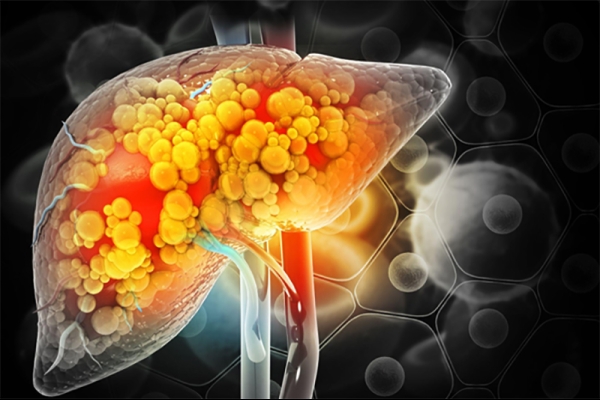
Feeling unusually tired or noticing subtle changes in your digestion? These could be the quiet whispers of a liver struggling with excess fat accumulation. Since fatty liver disease often hides in plain sight, knowing what to look for can prevent chronic inflammation and scarring of your liver. Explore the possible causes for fatty liver and the signs to watch out for.
Understanding the Silent Liver Disease Epidemic
The liver is a resilient organ. It can compensate for damage for years without sounding a major alarm. Fatty liver disease occurs when excess fat is stored in liver cells, often linked to obesity, type 2 diabetes, and high cholesterol. When left unmanaged, this can lead to Metabolic Associated Steatohepatitis (MASH), which causes inflammation and irreversible cirrhosis. Because early detection is key, paying attention to these 10 subtle indicators can be life-saving.
10 Subtle Warning Signs of Fatty Liver Disease to Watch For
While many patients are asymptomatic, those with progressing fatty liver may experience:
- Persistent Fatigue: Feeling exhausted even after a full night’s sleep.
- Abdominal Discomfort: A dull ache or “fullness” in the upper right side of the abdomen.
- Unexplained Weight Loss: Losing weight without changes to diet or exercise.
- Swelling (Edema): Fluid retention in the legs, ankles, or feet.
- Abdominal Bloating (Ascites): Noticeable swelling in the stomach area.
- Yellowing of the Skin (Jaundice): A slight yellow tint to the skin or the whites of the eyes.
- Redness in the Palms: Known as palmar erythema, caused by hormonal changes related to liver function.
- Visible Spider Veins: Small, spider-like blood vessels appearing on the chest or back.
- Mental Confusion: Difficulty concentrating, changes in sleep patterns, or subtle “brain fog”
- Easy Bruising: A sign that the liver is struggling to produce necessary clotting proteins.
Diagnosis and Advanced Monitoring for Fatty Liver
We utilize advanced diagnostic tools to assess your liver health accurately. Beyond standard blood tests for liver enzymes, we offer specialized imaging and procedures, including:
- FibroScan: A non-invasive ultrasound-based technology that measures liver stiffness and fat content without a needle biopsy.
- Upper Endoscopy (EGD): To check for complications like esophageal varices in advanced cases.
- Comprehensive Metabolic Panels: To monitor the intersection of digestive health and blood sugar levels.
Can You Reverse Fatty Liver?
The good news is that early-stage fatty liver disease is often reversible through lifestyle modifications, weight management, and targeted medical care. By the time symptoms like jaundice or severe swelling appear, the liver has already suffered significant damage. Proactive screening is the only way to catch “silent” fat accumulation before it becomes a chronic condition.
Frequently Asked Questions
1. Can thin people get fatty liver disease?
Yes. While it is more common in individuals with a high BMI, “Lean MAFLD” can occur in people of a healthy weight due to genetics, high sugar intake, or metabolic issues.
2. Is fatty liver disease always caused by alcohol?
No. Metabolic Associated Fatty Liver Disease (MAFLD) is specifically defined by fat buildup that is not related to heavy alcohol use. It is primarily driven by diet, sedentary lifestyle, and metabolic conditions.
3. What is the most accurate way to test for fatty liver?
A FibroScan is currently one of the most effective non-invasive tests. It provides immediate data on the “fattiness” and “scarring” of the liver, helping Dr. Perez create a personalized treatment plan.
4. Can fatty liver be reversed?
In many cases, yes. The liver has a remarkable ability to heal. Weight loss of 7% to 10%, a Mediterranean-style diet, and managing blood sugar can significantly reduce liver fat and inflammation.
5. How often should I have my liver checked?
If you have diabetes, high blood pressure, or high cholesterol, you should have your liver enzymes and health assessed during your annual physical, or more frequently as recommended by your gastroenterologist.
AUTHOR: NOLAN E. PEREZ, MD, FACP, FACG
Dr. Nolan Perez is a board-certified gastroenterologist and the founder of Texas Digestive Specialists. With over 15 years of clinical excellence, Dr. Perez provides comprehensive digestive care to patients throughout the Rio Grande Valley, including McAllen, Harlingen, and Brownsville. He is recognized as a leading authority in gastroenterology, hepatology, and colorectal cancer prevention, dedicated to improving health outcomes through advanced diagnostics and patient-centered treatment plans.
Credentials & Recognition
Dr. Perez earned his Bachelor of Arts from the University of Texas at Austin and a Medical Doctorate from the University of Texas Health Science Center at San Antonio. After medical school, Dr. Perez served in the United States Navy as a Medical Corps Officer. He then completed residency training in Internal Medicine at the Regional Academic Health Center in Harlingen and fellowship training in Gastroenterology/Hepatology at Wayne State University/Detroit Medical Center. He is Board Certified in Gastroenterology and is a Fellow of the American College of Physicians and a Fellow of the American College of Gastroenterology. Dr. Perez is an active member of the American Gastroenterological Association (AGA), the American Society for Gastrointestinal Endoscopy (ASGE), the American Medical Association (AMA), the Texas Medical Association (TMA) and the Cameron/Willacy County Medical Society.
Dr. Perez currently serves as a member of the University of Texas System Board of Regents. He is also a Trustee for Harlingen CISD, member of the Philosophical Society of Texas and Governing Board for The Holdsworth Center. Dr. Perez is fluent in both English and Spanish. He is available for consultation in our McAllen, Harlingen and Brownsville offices.
Clinical Expertise
Dr. Perez specializes in the management of a wide range of gastrointestinal and liver disorders, from chronic acid reflux (GERD) and inflammatory bowel disease (IBD) to fatty liver disease and hepatitis. He is an expert in performing essential diagnostic procedures, including screening colonoscopies and upper endoscopies (EGD). He also specializes in liver and biliary disease while also performing advanced procedures such as EUS and ERCP. By integrating the latest medical innovations with a compassionate, evidence-based approach, Dr. Perez helps his patients achieve long-term digestive wellness. His practice is built on the philosophy that proactive screening and lifestyle management are the most effective tools for preventing chronic disease and enhancing quality of life.
Medical Disclaimer: This information is for educational purposes only and does not constitute medical advice. For diagnosis and treatment recommendations, please consult with Dr. Perez or another qualified specialist at Texas Digestive Specialists.
Content authored by Dr. Nolan E. Perez and verified against official sources.
AUTHOR: BRIAN P. RUTLEDGE, MD
Dr. Brian P. Rutledge is a board-certified gastroenterologist dedicated to delivering comprehensive digestive care to patients in the Rio Grande Valley, including Harlingen and surrounding communities. As a provider at Texas Digestive Specialists, Dr. Rutledge is known for his evidence-based approach and commitment to improving patient outcomes through early detection, advanced diagnostics, and personalized treatment strategies in gastrointestinal and liver disease.
Credentials & Recognition
Dr. Rutledge earned his Bachelor of Science in Biological Sciences with honors from Wayne State University, followed by his Medical Doctorate from Wayne State University School of Medicine. He completed his residency in Internal Medicine and fellowship training in Gastroenterology at the Detroit Medical Center/Wayne State University, where he also served as an academic hospitalist and Clinical Assistant Professor.
Throughout his training and career, Dr. Rutledge has been recognized for his academic and clinical achievements, including first-place honors at Quality Education and Safe Systems Training Research Day and selection as an abstract reviewer for the American Association for the Study of Liver Diseases (AASLD) Liver Meeting. He has also received multiple awards for excellence during his residency and medical training.
Dr. Rutledge is an active member of leading professional organizations, including the American College of Gastroenterology (ACG), the American Gastroenterological Association (AGA), the American Society for Gastrointestinal Endoscopy (ASGE), the American Association for the Study of Liver Diseases (AASLD), and the American Medical Association (AMA). He has contributed to the medical community through leadership roles, editorial work, and participation in peer review and clinical committees.
Clinical Expertise
Dr. Rutledge specializes in the diagnosis and management of a wide range of gastrointestinal and liver conditions, including gastroesophageal reflux disease (GERD), inflammatory bowel disease (IBD), liver disease, and colorectal cancer. He is highly skilled in performing diagnostic and therapeutic procedures such as colonoscopy and upper endoscopy (EGD), with a focus on preventive care and early detection.
His clinical interests also include hepatology and complex digestive disorders, supported by extensive research and published work in areas such as hepatocellular carcinoma, colorectal cancer, and chronic liver disease. Dr. Rutledge combines clinical expertise with a patient-centered approach, ensuring that each patient receives individualized care tailored to their unique health needs.
Medical Disclaimer: This information is for educational purposes only and does not constitute medical advice. For diagnosis and treatment recommendations, please consult with Dr. Rutledge or another qualified specialist at Texas Digestive Specialists.
Content authored by Dr. Brian P. Rutledge and verified against official credentials and professional records.